The Fragility Exposed
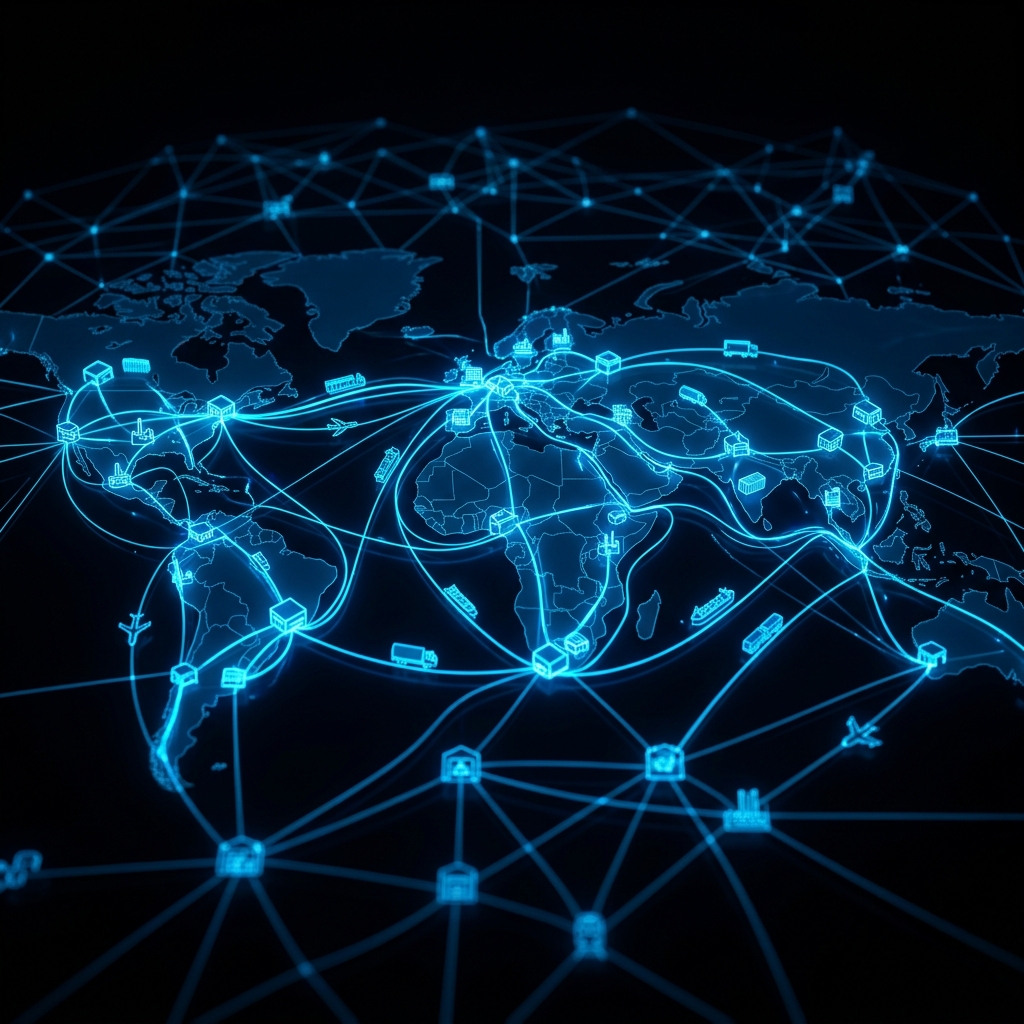
The global supply chain crises of 2020-2023 exposed a fundamental truth: modern supply chains are extraordinarily complex, deeply interconnected, and terrifyingly fragile. A single container ship blocking the Suez Canal paralyzed $9.6 billion in daily trade. A semiconductor shortage in Taiwan shut down automotive production lines in Detroit. A drought in the Panama Canal reduced global shipping capacity by 40%.
Traditional supply chain management—built on static safety stock formulas, quarterly demand planning cycles, and manual vendor negotiations—cannot cope with this level of volatility. The planning cycle is too slow, the data is too siloed, and the humans are too overwhelmed.
The Autonomous Supply Chain
BasaltHQ's Supply Chain Orchestration engine, built on BASALTERP, deploys specialized agentic AI to every link in the chain—from raw material sourcing to the customer's doorstep.
Demand Sensing
Traditional demand forecasting uses historical sales data and seasonal patterns. BasaltHQ's Demand Sensing agent goes far beyond. It ingests:By synthesizing these signals, the agent generates demand forecasts that are updated hourly—not quarterly—and adjust dynamically to emerging conditions.
Autonomous Procurement
When the Demand Sensing agent detects that demand for a specific SKU will spike in 14 days (based on a trending social media campaign mentioning the product), the Procurement Agent activates. It queries all approved suppliers for current availability and pricing, negotiates optimal terms based on historical pricing data and volume commitments, generates purchase orders, and routes them for approval—all before a human procurement manager has even noticed the trend.If the primary supplier cannot meet the volume, the agent autonomously identifies and qualifies secondary suppliers from a pre-vetted registry, comparing lead times, quality certifications, and total landed costs.
Warehouse Optimization
Inside the warehouse, agentic AI optimizes every movement. The Warehouse Agent determines optimal storage locations based on pick frequency, manages wave planning for order fulfillment, orchestrates autonomous mobile robots (AMRs) for goods-to-person picking, and dynamically adjusts labor allocation based on real-time order volume.When an unexpected surge of orders arrives—say, from a flash sale triggered by the marketing team—the Warehouse Agent doesn't panic. It recalculates the pick plan, reprioritizes routes, and if necessary, requests additional temporary labor through the HR system, providing the exact number of workers needed for the exact number of hours.
Last-Mile Intelligence
The final and most expensive link in the supply chain—last-mile delivery—is orchestrated by a routing agent that optimizes delivery sequences across thousands of variables: traffic patterns, delivery time windows, vehicle capacity, fuel costs, and driver availability. It re-optimizes routes in real-time as conditions change, rerouting around traffic accidents and accommodating last-minute customer reschedules.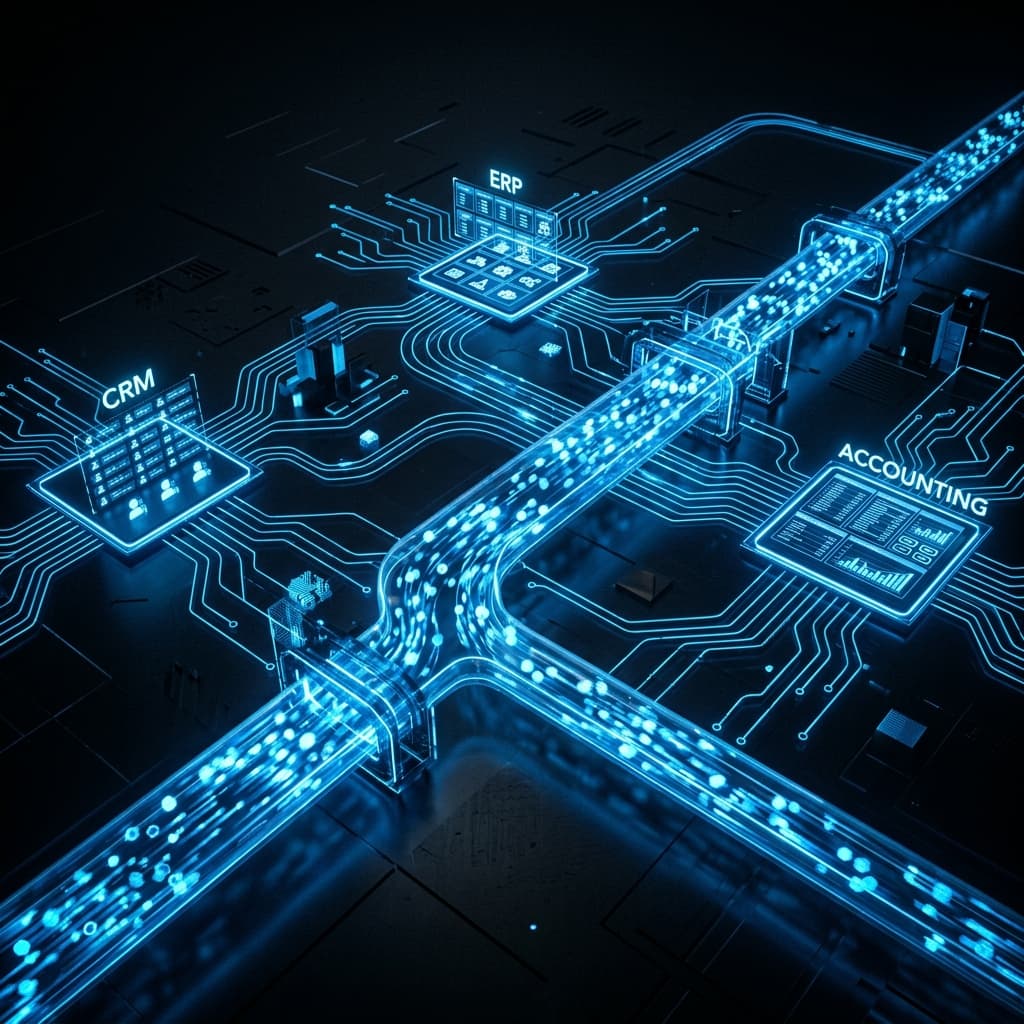
The Resilient Chain
The ultimate value of AI-orchestrated supply chains is not just efficiency—it is resilience. When a port closure disrupts inbound shipments, the agent doesn't wait for a crisis meeting. It instantly models alternative routing options, calculates the cost and time impact of each, selects the optimal contingency, and begins executing—switching suppliers, rerouting shipments, and adjusting downstream production schedules—all within minutes of the disruption.
The supply chain of the future is not a chain at all. It is a living, adaptive network, orchestrated by intelligence that never sleeps.